
Shopping Cart
Latest posts
-
 Aloe Vera for Corns and Calluses: Discover How to Use ItRead more
Dealing with corns or calluses? Aloe vera softens hard skin, deeply hydrates, and soothes sensitive areas. Learn...
-
 Aloe Vera for Hives: Relief for Your SkinRead more
Suffering from hives? Aloe vera can calm itching, reduce inflammation, and support natural skin...
-
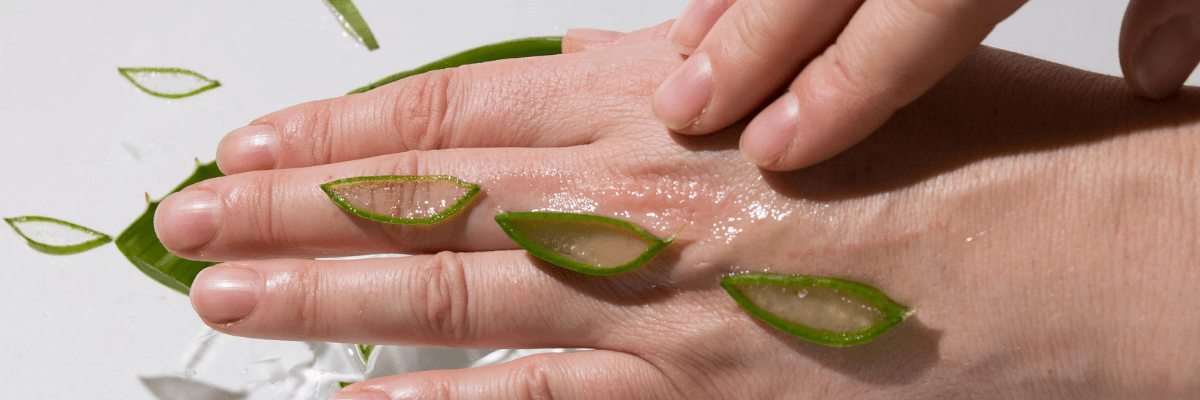 The role of aloe vera in skin hydrationRead more
Aloe vera deeply hydrates the skin thanks to its high water content and regenerative properties. Combined with...
-
 Aloe vera and pregnancy: properties and recommendationsRead more
Aloe vera is a natural ally during pregnancy: it moisturizes, prevents stretch marks, soothes irritation, and cares...
-
 Aloe vera for hair growth: myth or reality?Read more
Aloe vera promotes hair growth by nourishing the scalp, hydrating, and providing essential vitamins and minerals. It...
-
 Facial massage benefits: how to do it at homeRead more
Facial massage improves circulation, reduces tension, and stimulates collagen production, promoting firmer, more...
-
 Aloe vera for the scalp: hydration, balance, and natural protectionRead more
Aloe vera moisturizes, soothes, and nourishes the scalp, combating dandruff, irritation, and excess oil. Regular use...
-
 The importance of using facial toner in your beauty routineRead more
Facial toner balances the skin's pH, enhances hydration, and boosts the absorption of treatments. Including it in...
-
 Aloe vera for split ends: keep your hair healthyRead more
Aloe vera helps repair split ends by deeply hydrating and strengthening the hair fibre. A natural way to restore...
-
 How to choose the right facial cleanser for your skinRead more
Choosing the right facial cleanser is essential for maintaining balanced, healthy skin. From creamy milks to...
Blog categories
Search in blog
Facial massage benefits: how to do it at home
Our facial skin is exposed daily to pollution, stress and changing weather conditions, all of which affect its health and appearance. To counteract these effects, facial massage is an effective technique that stimulates circulation, relaxes muscles and enhances the absorption of nutrients. In this article, we’ll show you step by step how to give yourself a facial massage at home, what benefits it brings and a few key tips to get the best results.
What is a facial massage and why is it important?
Facial massage involves a series of careful techniques applied to the face. You can include it as a relaxing ritual or use it to stimulate the skin and help prevent issues. This type of massage is important for maintaining healthy skin and improving the appearance of the face.
What are the benefits of facial massage?
When done regularly, facial massage doesn’t just work on the surface — it supports biological functions that improve the skin’s overall health. Here are some of the changes it brings when included in your daily routine:
- Boosts blood circulation
Poor circulation can leave your complexion looking dull and tired. One of the key benefits of facial massage is that it improves blood flow, helping the skin become more oxygenated and receive essential nutrients for regeneration. - Helps remove impurities
Another factor that influences how the skin looks is the build-up of toxins. By stimulating circulation, massage supports the benefits of facial lymphatic drainage, which helps eliminate toxins from the skin. - Stimulates collagen and elastin production
Over time, the skin loses firmness and elasticity, which can lead to wrinkles and sagging. Facial massage activates the production of collagen and elastin, proteins that help maintain a firm, youthful appearance. - Releases facial tension
Stress and repeated facial expressions can lead to muscle tension. With the gentle, controlled movements of facial massage, the facial muscles are relaxed. As a result, expression lines are reduced and the face takes on a more rested look. - Enhances cosmetic product absorption
If you’ve noticed your skin doesn’t absorb cream or serum well, it may not be properly prepared. Facial massage improves this ability. By adding it to your skincare routine, products such as serums, creams or oils will work more effectively. - Adds radiance and firmness to the skin
The skin is constantly renewing itself, but sometimes needs help removing dead cells that can build up and dull its glow. Facial massage supports this renewal by stimulating microcirculation and promoting cell regeneration. With every movement, the skin receives more oxygen and nutrients, speeding up the removal of impurities and improving its texture.
Preparation for an effective facial massage
Before starting your massage, it’s important to go through three steps (Cleanse, exfoliate and tone) to maximise the benefits of facial massage and improve your skincare results.
Deep cleansing
Clean skin responds better to massage, and reduces the risk of clogged pores. Remove impurities, makeup and oil so the skin can breathe and absorb the products more effectively.
Recommended products for proper cleansing
To cleanse effectively, it’s essential to choose products suitable for your skin type. A gel cleanser is ideal for combination or oily skin, while dry or sensitive skin benefits from creamier or milkier textures.
Tip: To cleanse quickly without damaging the skin, use a cotton pad. You can also include Finca Canarias' cleansing milk at this stage — it’s ideal for all skin types and made with natural ingredients such as aloe vera.
Gentle exfoliation to renew the skin
Exfoliation enhances the massage’s effects by removing dead skin cells and improving the skin’s ability to absorb active ingredients. While optional, it noticeably improves texture and radiance.
Types of exfoliators and how to choose the right one
Choosing the right exfoliator depends on your skin’s sensitivity and how often you exfoliate. There are two main types, each with a different mode of action. Physical exfoliants contain soft particles like sugar or rice powder, which remove impurities through friction. Chemical exfoliants dissolve dead cells without the need to rub.
Tip: Choose a gel or cream exfoliant. It shouldn’t be abrasive, as this can irritate the skin. The ideal approach is to apply it gently.

Discover how facial massage works and how Finca Canarias’ facial exfoliator can enhance your beauty routine.
Toning the skin
Toning is the final step before the massage and plays an important role in skincare. After cleansing and exfoliating, your skin needs to be balanced to restore its natural pH and prepare to receive the massage products.
Tip: For a calming and refreshing effect, go for an alcohol-free toner with natural ingredients like rose water, chamomile or aloe vera. These help prevent irritation and leave the skin soft and ready for the massage.
How to do a facial massage at home step by step
As we’ve seen, facial massage is a simple technique you can add to your personal care routine to improve the health and appearance of your skin.
Below is a step-by-step guide explaining exactly how to perform these techniques at home.
1. Applying your massage product
Warm a small amount of oil, serum or massage cream between your palms. Apply the product to your face, neck and shoulders with gentle, upward movements. Spread it evenly so the following steps are easier to perform.
2. Initial gliding
Mentally divide your face into two halves. With your fingertips, make gentle upward strokes from the centre of your face outwards towards the ears. Start at the chin, move to the cheeks, then from the sides of the nose to the temples, and finally from the centre of the forehead to the temples.
Pressure: Light.
Repetitions: 3 to 5 times to prepare the skin and activate circulation.
3. Circular strokes
Use your fingertips to make gentle circular motions. Start at the chin, move up the cheeks to the temples, then from the sides of the nose to the temples, and across the forehead from centre to sides.
Pressure: Moderate.
Repetitions: 3 to 5 times per area to stimulate blood flow and oxygenate the skin.
4. Targeted friction
In key areas such as the temples, between the brows, eyelids, nose, mouth, jawline and neck, make small circular movements using your fingertips.
Pressure: Apply gentle and steady pressure, adjusting depending on the sensitivity of each area.
Duration: 10 to 15 seconds per area to promote relaxation and relieve tension.
5. Gentle pinching
With your thumb and index finger, gently pinch the forehead, cheekbones, cheeks, and chin. Lightly lift the skin and release it as you move around those areas.
Pressure: Moderate.
Duration: Around 30 seconds per area to stimulate the skin and enhance firmness.
6. Light tapping
Tap with your fingertips on the forehead, cheeks, around the eyes and on the chin, using a quick, alternating rhythm.
Pressure: Light.
Duration: 1 to 2 minutes to stimulate circulation and leave the skin feeling refreshed.
7. Finishing the massage
To finish, make soft, upward gliding strokes from the chin to the forehead, passing over the cheeks.
Pressure: Light.
Repetitions: 3 to 5 times to relax the skin and facial muscles.
Finally, apply a moisturiser or nourishing cream suited to your skin type to seal in the benefits of the massage and keep the skin well hydrated.

Boost the benefits of facial massage by including natural products in your skincare routine.
As you’ve seen, facial massage is a simple technique you can include in your personal care to improve the health and look of your skin. At Finca Canarias, we create our aloe vera gel — 98% pure, cold-pressed and organically grown in the Canary Islands — to support techniques like these with ingredients that respect the skin. It’s not magic: it’s the result of consistency, unaltered products and methods that bring out the best in your skin. Ready to feel the difference?
Posted in:
News
Related posts
-
 Discover the benefits of natural cosmetics
Natural organic cosmetics use raw materials 100% from natural ingredients or natural origins, therefore they don’t...Read more
Discover the benefits of natural cosmetics
Natural organic cosmetics use raw materials 100% from natural ingredients or natural origins, therefore they don’t...Read more -
 10 healthy lifestyle habits you will love to do
. We should look after ourselves and keep ourselves healthy in order to be able to face the challenges we’re...Read more
10 healthy lifestyle habits you will love to do
. We should look after ourselves and keep ourselves healthy in order to be able to face the challenges we’re...Read more -
 Natural vs. organic cosmetics. What’s the difference?
There is a growing preference for the use of organic products over chemically processed ones. Our friends, family and...Read more
Natural vs. organic cosmetics. What’s the difference?
There is a growing preference for the use of organic products over chemically processed ones. Our friends, family and...Read more -
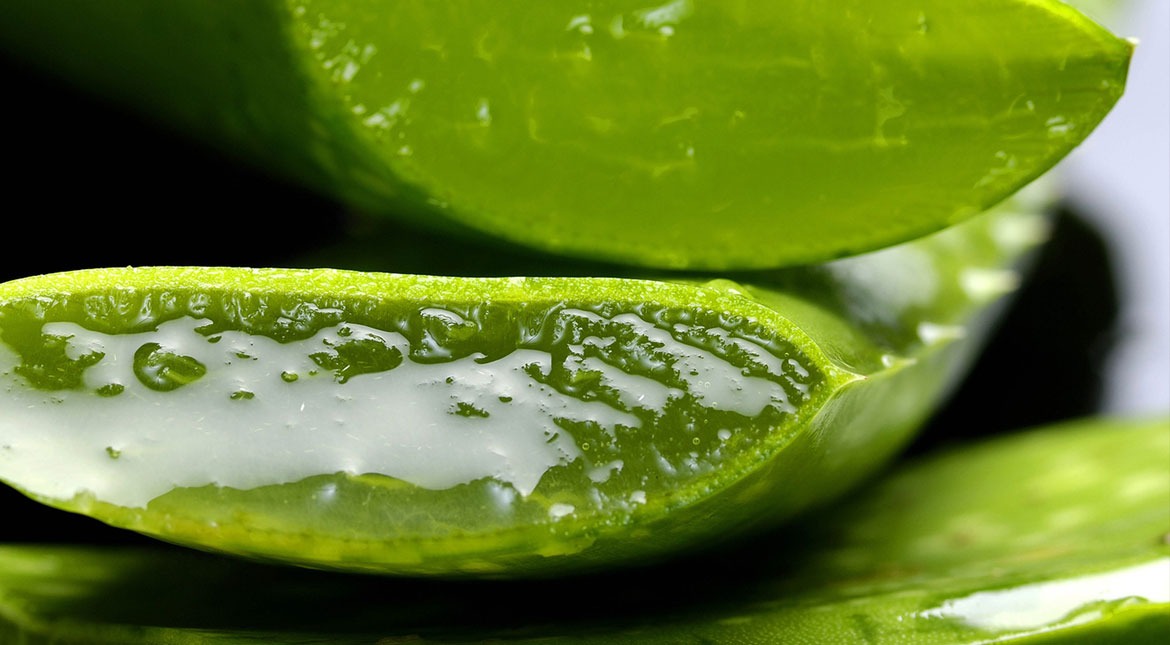 Aloe Vera, endless in properties for health
The Aloe Vera plant is common in dry and sunny climates, characteristics of which its pulp stores a multitude of...Read more
Aloe Vera, endless in properties for health
The Aloe Vera plant is common in dry and sunny climates, characteristics of which its pulp stores a multitude of...Read more -
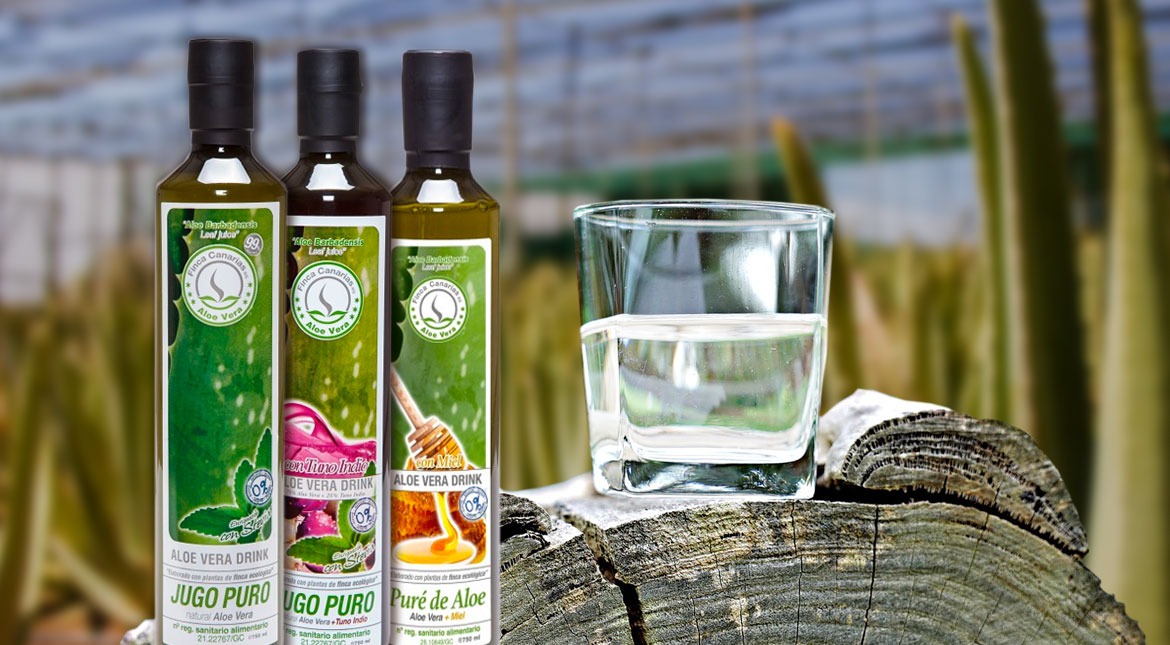 Why drink Aloe Vera?
Drinking pure Aloe Vera juice brings a multitude of benefits to the body, an extra of nutrients and healing...Read more
Why drink Aloe Vera?
Drinking pure Aloe Vera juice brings a multitude of benefits to the body, an extra of nutrients and healing...Read more

Leave a comment