
Shopping Cart
Latest posts
-
 Aloe Vera for Corns and Calluses: Discover How to Use ItRead more
Dealing with corns or calluses? Aloe vera softens hard skin, deeply hydrates, and soothes sensitive areas. Learn...
-
 Aloe Vera for Hives: Relief for Your SkinRead more
Suffering from hives? Aloe vera can calm itching, reduce inflammation, and support natural skin...
-
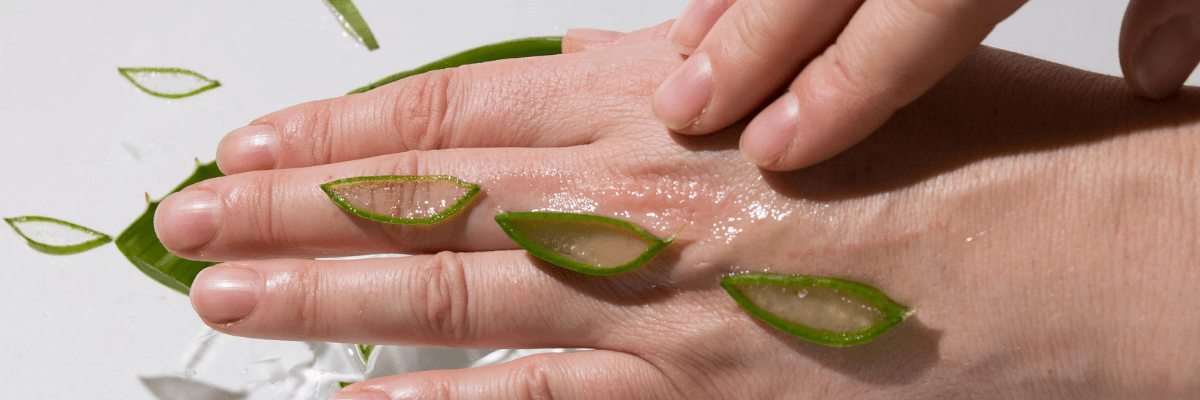 The role of aloe vera in skin hydrationRead more
Aloe vera deeply hydrates the skin thanks to its high water content and regenerative properties. Combined with...
-
 Aloe vera and pregnancy: properties and recommendationsRead more
Aloe vera is a natural ally during pregnancy: it moisturizes, prevents stretch marks, soothes irritation, and cares...
-
 Aloe vera for hair growth: myth or reality?Read more
Aloe vera promotes hair growth by nourishing the scalp, hydrating, and providing essential vitamins and minerals. It...
-
 Facial massage benefits: how to do it at homeRead more
Facial massage improves circulation, reduces tension, and stimulates collagen production, promoting firmer, more...
-
 Aloe vera for the scalp: hydration, balance, and natural protectionRead more
Aloe vera moisturizes, soothes, and nourishes the scalp, combating dandruff, irritation, and excess oil. Regular use...
-
 The importance of using facial toner in your beauty routineRead more
Facial toner balances the skin's pH, enhances hydration, and boosts the absorption of treatments. Including it in...
-
 Aloe vera for split ends: keep your hair healthyRead more
Aloe vera helps repair split ends by deeply hydrating and strengthening the hair fibre. A natural way to restore...
-
 How to choose the right facial cleanser for your skinRead more
Choosing the right facial cleanser is essential for maintaining balanced, healthy skin. From creamy milks to...
Blog categories
Search in blog

Tips for taking care of your liver
Taking care of your liver forms part of any healthy routine you want to implement in your life. Fat that accumulates in the abdomen often ends up around the liver, resulting in what is known as fatty liver.
If you still have liver problems despite exercising regularly and taking care of your diet, then here are some tips that can help you take care of your fatty liver.
The importance of the liver in our organism
The main function of this organ is to cleanse the blood by eliminating toxins. It is also part of the digestion, providing a substance called bile that allows the absorption of fats.
These are the main functions this organ performs in your body:
- Transforms food into nutrients and chemical elements necessary for the body.
- Stores these nutrients so that the body can metabolize them when necessary.
- Breaks down medicines so that we can benefit from the active ingredient they contain.
- Breaks down drugs and alcohol, preventing further damage.
- Eliminates waste produced by the blood.
- Produces bile, a substance rich in enzymes that helps digest the food you eat.
- Produces proteins that are essential for the immune system.
- Considered the architect of the detoxification of the body, provided it is in optimal condition.
As you can see, consuming meals is essential for liver care and to contribute to the proper functioning of a vital organ.
Symptoms indicating liver problems
Liver disease rarely presents serious symptoms, unlike other diseases. But there are certain signs that can help you recognize when your liver is not in perfect condition:
- Abdominal pain and bloating.
- Continued fatigue.
- Darker than normal urine.
- Clay-colored feces.
- Jaundice or yellowing of the skin and eyes.
If you notice any of these symptoms, visit your doctor for a blood test that can detect the problem.
At the same time you can help the liver eliminate accumulated toxins with aloe vera products. Aloe vera has anti-inflammatory effects and vitamins A, C and B that will help strengthen your immune system.
If you notice that your abdominal fat is persistent and does not decrease easily, maybe it is time to purify your liver. In a single action you will be detoxifying the liver and preventing abdominal fat from accumulating around it. This way you help your body avoid the dreaded fatty liver.
photo
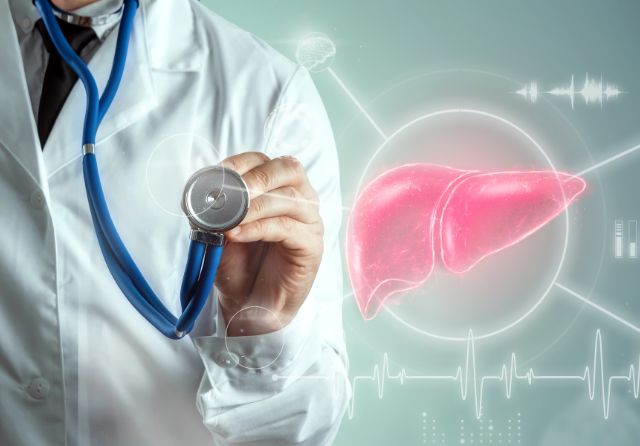
Symptoms indicative of liver problems
Healthy habits that keep the liver in perfect condition
Here are some habits you can implement in your daily routine to maintain liver health for a long time:
- Avoiding foods so as to take care of an inflamed liver. Processed and ultra-processed foods rich in carbohydrates are inadvisable for liver health.
- Maintaining a weight according to your height and body build.
- Reducing alcohol consumption, avoiding excessive consumption during parties and celebrations.
- Completely discarding the use of drugs.
- Making rational use of medications. Ask your doctor if prescribed medications can affect liver health.
- Protecting yourself adequately against the chemical products you use: cleaning products, insecticides, pesticides, phytosanitary products.
- Smoking should be avoided.
Foods you should and you shouldn't eat to prevent fatty liver disease
An inadequate diet can negatively affect this vital organ. There are foods to take care of an inflamed liver, such as beets and asparagus. However, the most appropriate measure is prevention.
Foods harmful to the liver
- Alcohol: It is not a food per se, but we include it in this list because it is the number one enemy. It can cause alcoholic fatty liver and seriously damage it in the case of non-alcoholic fatty liver. Alcohol is metabolized in the liver, causing a considerable increase in triglycerides during the process. In addition, a large amount of substances harmful to the cells of the system are generated.
- Sugar: Diets rich in refined sugars contribute to the accumulation of fats resulting from their metabolism in the liver, causing pain and inflammation.
- Salt: Moderate salt consumption is beneficial to the body. But a high intake will lead you to retain more fluids than desirable, causing the liver to work beyond its optimal level. This can lead, in the long term, to liver disorders.
- Red meats: Pork, beef and lamb contain large amounts of saturated fats. You should consume them in moderation and prioritize white meat such as chicken or turkey, as well as fish consumption.
- Cold meats: As in the previous case, sausages are high in saturated fats. An excessive accumulation is directly related to the appearance of fatty liver.
- Some dairy products: When you have liver problems, even if they are mild, it is advisable to drink skimmed milk dairy products, to avoid the saturated fat of whole milk. Some cured cheeses, such as Parmesan, Brie or Emmental are strongly discouraged because of the high percentage of saturated fats they contain.

The importance of the liver in our organism
Foods beneficial for the liver
Below we suggest a menu with healthy foods to take care of the liver:
- Breakfast: 0% yogurt porridge with red fruits, defatted cocoa and nuts. Coffee with skimmed milk.
- Lunch: Raw vegetable salad dressed with mustard vinaigrette. Grilled salmon with grilled asparagus. Seasonal fruit.
- Snack: Anti-inflammatory infusion of ginger, turmeric and cinnamon.
- Dinner: Spinach omelette, Skimmed white cheese
As you can see the possibilities are endless, by avoiding foods that have a higher glycemic index.
Benefits of aloe vera for fatty liver
Aloe vera helps to de-inflate the liver and cleanse it. Taking an aloe vera supplement on a regular basis will keep this organ free of toxins. You will notice how your digestion improves by activating fat metabolism. You will also help maintain your body weight and reduce your abdominal contour. Aloe vera has digestive properties that will help you improve intestinal transit. It also regulates stomach acid and bile produced by the liver. It is an essential product for liver care that acts by inhibiting the storage of toxic substances.
Now you know what the best care for the liver is and which product is essential for this important organ to work properly.
Posted in:
News
Related posts
-
 Discover the benefits of natural cosmetics
Natural organic cosmetics use raw materials 100% from natural ingredients or natural origins, therefore they don’t...Read more
Discover the benefits of natural cosmetics
Natural organic cosmetics use raw materials 100% from natural ingredients or natural origins, therefore they don’t...Read more -
 10 healthy lifestyle habits you will love to do
. We should look after ourselves and keep ourselves healthy in order to be able to face the challenges we’re...Read more
10 healthy lifestyle habits you will love to do
. We should look after ourselves and keep ourselves healthy in order to be able to face the challenges we’re...Read more -
 Natural vs. organic cosmetics. What’s the difference?
There is a growing preference for the use of organic products over chemically processed ones. Our friends, family and...Read more
Natural vs. organic cosmetics. What’s the difference?
There is a growing preference for the use of organic products over chemically processed ones. Our friends, family and...Read more -
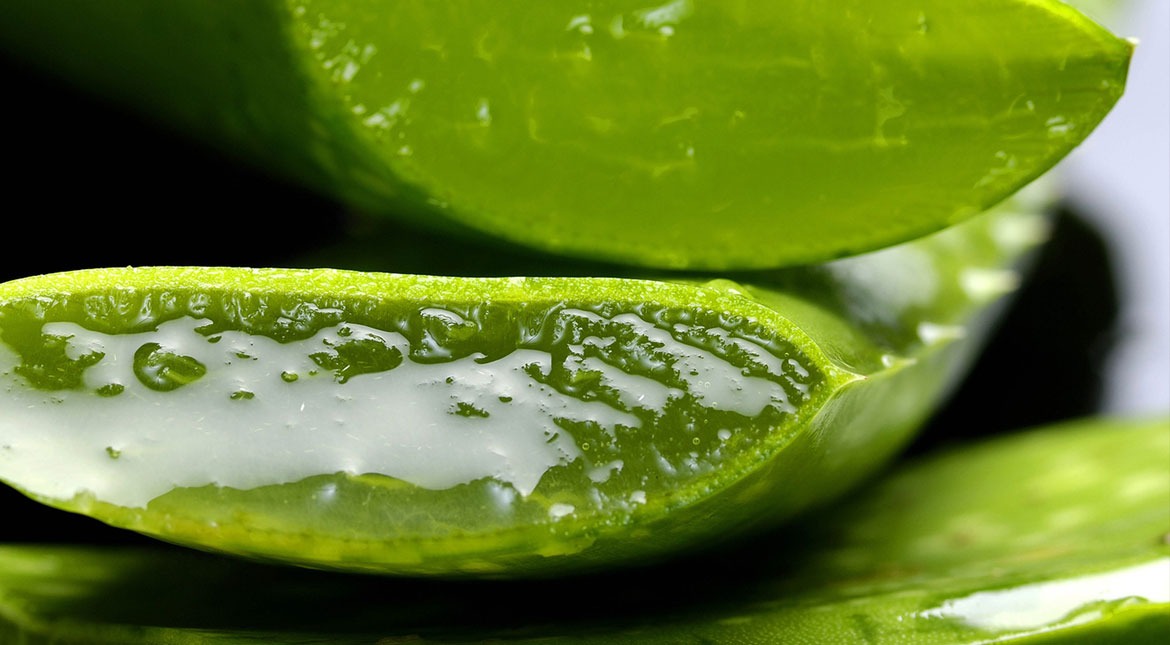 Aloe Vera, endless in properties for health
The Aloe Vera plant is common in dry and sunny climates, characteristics of which its pulp stores a multitude of...Read more
Aloe Vera, endless in properties for health
The Aloe Vera plant is common in dry and sunny climates, characteristics of which its pulp stores a multitude of...Read more -
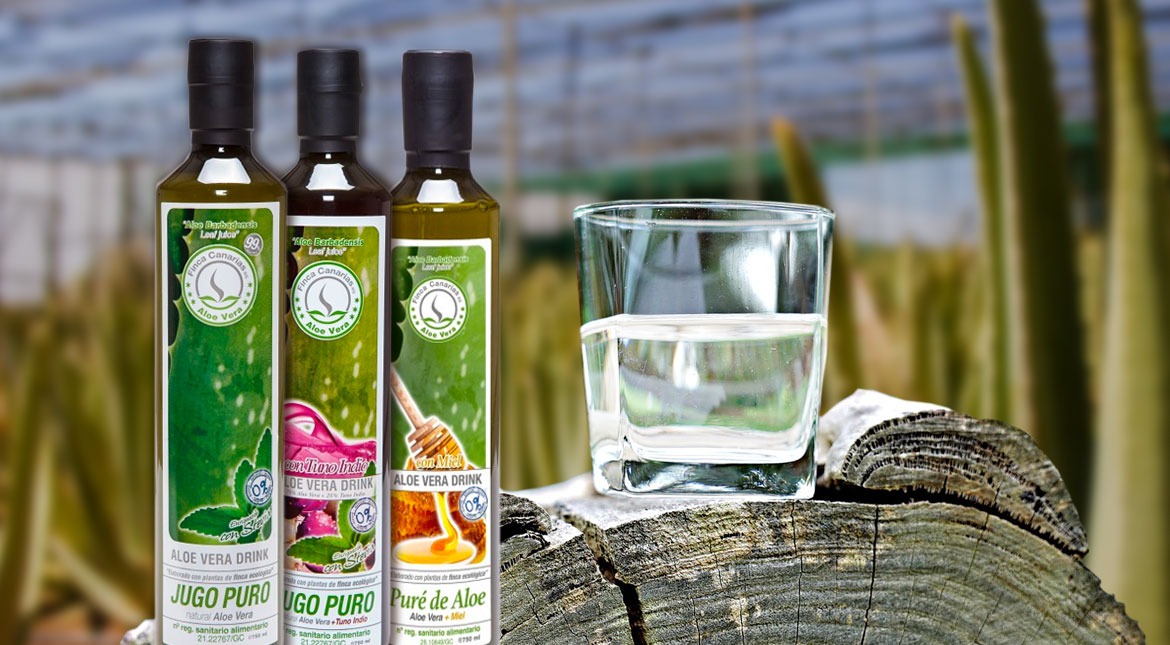 Why drink Aloe Vera?
Drinking pure Aloe Vera juice brings a multitude of benefits to the body, an extra of nutrients and healing...Read more
Why drink Aloe Vera?
Drinking pure Aloe Vera juice brings a multitude of benefits to the body, an extra of nutrients and healing...Read more

Leave a comment