
Shopping Cart
Latest posts
-
 Aloe Vera for Corns and Calluses: Discover How to Use ItRead more
Dealing with corns or calluses? Aloe vera softens hard skin, deeply hydrates, and soothes sensitive areas. Learn...
-
 Aloe Vera for Hives: Relief for Your SkinRead more
Suffering from hives? Aloe vera can calm itching, reduce inflammation, and support natural skin...
-
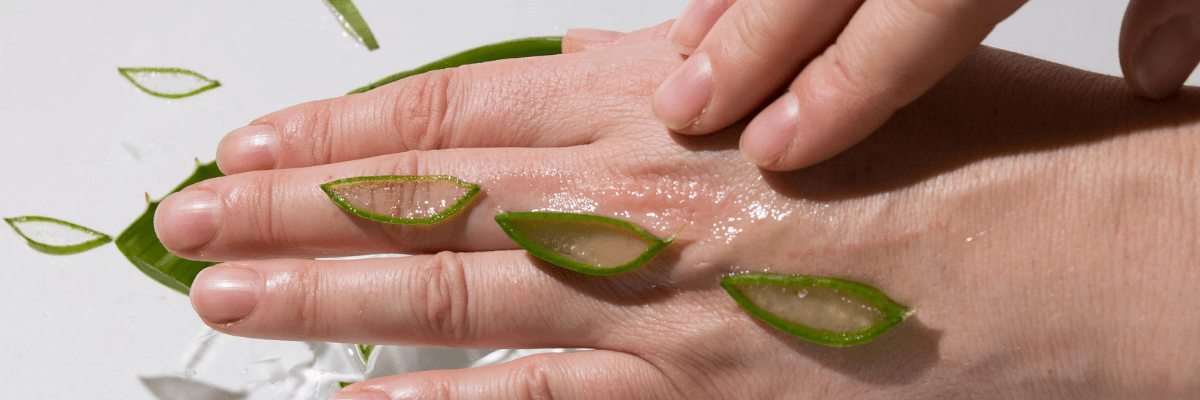 The role of aloe vera in skin hydrationRead more
Aloe vera deeply hydrates the skin thanks to its high water content and regenerative properties. Combined with...
-
 Aloe vera and pregnancy: properties and recommendationsRead more
Aloe vera is a natural ally during pregnancy: it moisturizes, prevents stretch marks, soothes irritation, and cares...
-
 Aloe vera for hair growth: myth or reality?Read more
Aloe vera promotes hair growth by nourishing the scalp, hydrating, and providing essential vitamins and minerals. It...
-
 Facial massage benefits: how to do it at homeRead more
Facial massage improves circulation, reduces tension, and stimulates collagen production, promoting firmer, more...
-
 Aloe vera for the scalp: hydration, balance, and natural protectionRead more
Aloe vera moisturizes, soothes, and nourishes the scalp, combating dandruff, irritation, and excess oil. Regular use...
-
 The importance of using facial toner in your beauty routineRead more
Facial toner balances the skin's pH, enhances hydration, and boosts the absorption of treatments. Including it in...
-
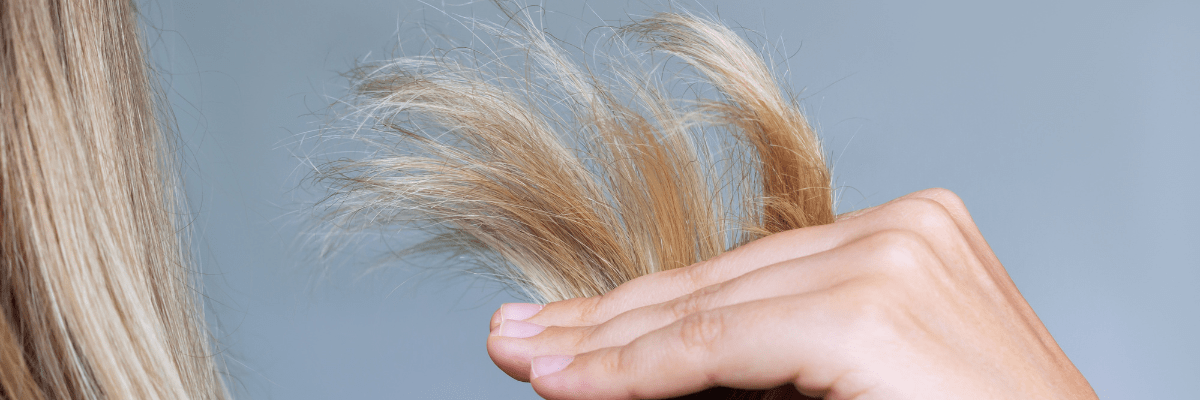 Aloe vera for split ends: keep your hair healthyRead more
Aloe vera helps repair split ends by deeply hydrating and strengthening the hair fibre. A natural way to restore...
-
 How to choose the right facial cleanser for your skinRead more
Choosing the right facial cleanser is essential for maintaining balanced, healthy skin. From creamy milks to...
Blog categories
Search in blog
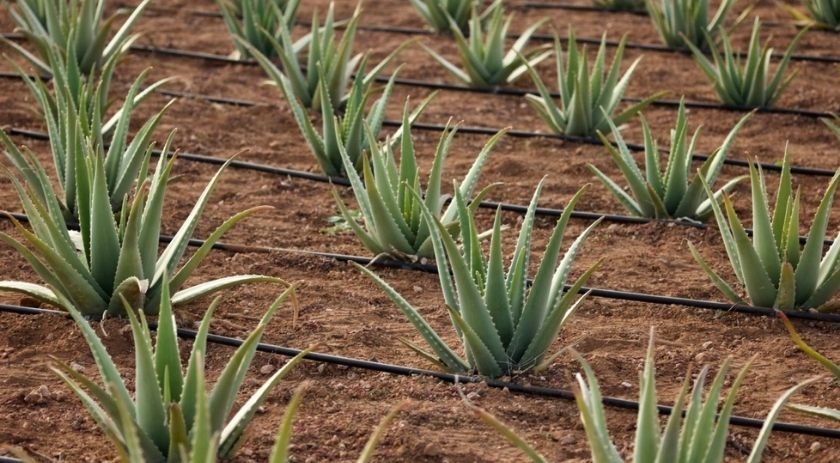
Types of aloe vera plants
Aloe vera is one of the plants with the most medicinal properties we can find. And the best thing is that there are different varieties of aloe vera. In this post we figure out how many kinds of aloe there are and what their properties are.
What kinds and types of aloe vera are there?
There are more than 250 known varieties of aloe vera across the world. Yes, you read that correctly. But they don’t all have the same properties. Some kinds of aloe vera plants are very similar in appearance but have different properties. In fact, very few of them have significant healing or medicinal properties.
What are they? Here we give you a list with the best-known different kinds of aloes.
Aloe Barbadensis miller
This is the most popular aloe vera plant, which has the most medicinal properties. It has purifying effects, regenerating skin cells, combating skin irritations and eliminating scars, among other effects.
Aloe Arborescens
Undoubtedly, if you read this name, you don’t know how to identify the plant it refers to, but if we mention the other names it’s called, then you will. It’s popularly known as the octopus’s plant or candelabra plant, referring to its shape.
It can reach 4 metres in height. The inside of its fleshy leaves is used as a cosmetic product, as it has antibiotic and astringent qualities and it’s a skin anti-inflammatory and moisturiser.
Aloe Saponaria
This is another of the most popular varieties, for its large and particularly fleshy leaves, of bluish green with red-coloured tips, bordered with spikes.
Aloe striata
It’s also called Coral Aloe due to the soft pink colour of its leaves. This is a small variety, with an average 45 cm diameter.
Aloe variegata
This aloe is usually used for decorative purposes, due to its beauty and how easy it is to look after. It withstands being grown inside well, and in winter and spring will brighten your home with its beautiful flowers.
Aloe maculata
This kind of aloe is endemic in South Africa, although it’s grown in other countries. It’s a succulent plant, with long, narrow, fleshy leaves grouped in rosettes.
Aloe ferox
This is a slow-growing species, which has a single stem which can reach up to 2-3 metres high. Its flowers are a very beautiful, striking reddish colour. It grows in a wide variety of habitats.
Aloe ciliaris
This is a climbing plant, which can reach up to 10 metres high. Its leaves are narrow and lanceolate, with borders covered with white teeth. It grows well in very dry climates.
Aloe aristata
This is one of the smallest kinds of aloe, only infrequently having a diameter greater than 30 cm. It’s very common in cosmetics since its roots have healing properties.
Aloe brevifolia
This variety stands out for its striking serrated leaves which end in a point. That’s why it’s been given the name Crocodile Tooth Aloe.
Aloe juvenna
This is often called dwarf aloe, referring to its small size. That’s why it makes an excellent decorative plant.
This is just a small sample of how many different types of aloe vera there are, each one with its properties and uses. Aloe vera is a very versatile plant, which is often used in cosmetics, personal hygiene, and even as a food.
What types of plants are suitable for consumption?
The use of aloe vera as a decorative plant as well as a plant to heal common wounds or used in cosmetics is well-known, but its use to make the organs in our body healthy is perhaps not as well known.
Following the order above, Aloe Vera barbadensis miller has the most healing properties.
Aloe aroboroscens is another variety which can be ingested. It has antibiotic, astringent, and anti-inflammatory cutaneous properties.
The list of the most suitable aloe vera varieties for consumption is completed with the Maculata, Aristata and Chinensis varieties.
Their qualities? As a food, aloe vera is rich in minerals such as potassium, sodium, magnesium, phosphorous, iron and zinc; it has vitamins from the B group, vitamin E and C and folic acid. In addition, its high-water content helps maintain our organism in optimal levels of hydration.
All these qualities turn aloe into an extraordinary food, although not all countries recognise it as such. In Spain, aloe vera is catalogued as a botanic ingredient and aloe vera juice to drink or products such as honeys or yoghurts are permitted.

Aloe vera in the Canary Islands
What type of Aloe Vera is suitable for skin application?
The use of aloe vera is very popular to heal burns, skin irritations, ulcers... But are all kinds of aloe vera plants suitable to apply to skin?
The answer is no. Not all kinds of aloe vera have healing properties, stringent properties, or are suitable for healing skin wounds and injuries and even to fortify and nourish our organs and hair by being ingested.
Aloe barbadensis miller is the most common for cutaneous use. If you’ve got a plant at home and you want to make the most of the juice from the leaves, make sure you clean it properly, since not doing so may cause eczema or skin irritations.
On the other hand, it’s always advisable to buy the product already treated, in the form of gel, cream or any other format, since it’s already passed quality checks.
The barbadensis variety is another of the most frequently used in personal care. It’s rich in medicinal properties.
Where does each type of aloe live?
There’s evidence that aloe was originated in Arabia. But nowadays its habitat has spread to different parts of the world. It’s common to find aloe vera plants in subtropical and temperate regions of both hemispheres, including the Mediterranean area.
It can be found in sand banks coastal crags, in hot and desert places.
In Spain, it’s cultivated increasingly often, with the Canary Islands being the region where the most completely wild aloe harvesting is found.
Did you know all the information we’ve provided about the varieties of aloe vera and its properties? In this article you’ve been able to learn about the healing qualities of the wide variety of aloe vera and an important fact: the experience of the Canary Islands in harvesting this plantation.
Posted in:
News
Related posts
-
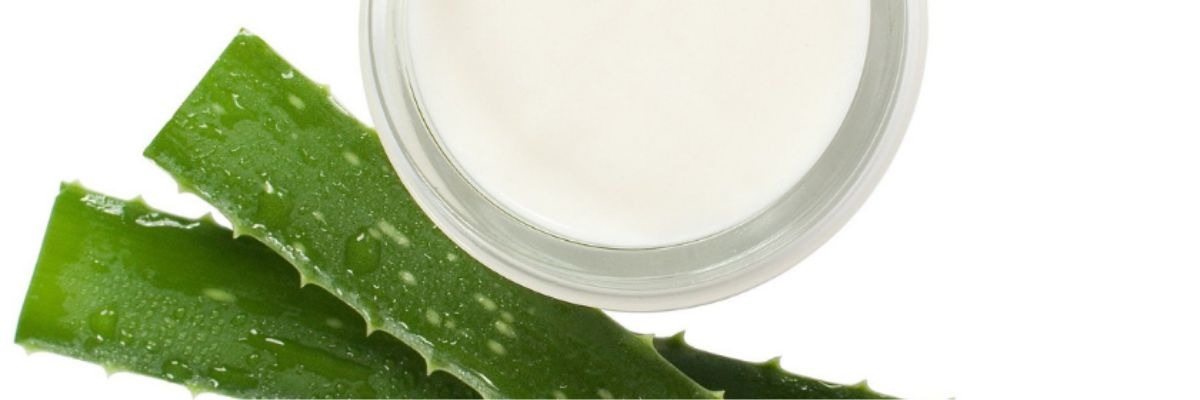 Discover the benefits of natural cosmetics
Natural organic cosmetics use raw materials 100% from natural ingredients or natural origins, therefore they don’t...Read more
Discover the benefits of natural cosmetics
Natural organic cosmetics use raw materials 100% from natural ingredients or natural origins, therefore they don’t...Read more -
 10 healthy lifestyle habits you will love to do
. We should look after ourselves and keep ourselves healthy in order to be able to face the challenges we’re...Read more
10 healthy lifestyle habits you will love to do
. We should look after ourselves and keep ourselves healthy in order to be able to face the challenges we’re...Read more -
 Natural vs. organic cosmetics. What’s the difference?
There is a growing preference for the use of organic products over chemically processed ones. Our friends, family and...Read more
Natural vs. organic cosmetics. What’s the difference?
There is a growing preference for the use of organic products over chemically processed ones. Our friends, family and...Read more -
 Aloe Vera, endless in properties for health
The Aloe Vera plant is common in dry and sunny climates, characteristics of which its pulp stores a multitude of...Read more
Aloe Vera, endless in properties for health
The Aloe Vera plant is common in dry and sunny climates, characteristics of which its pulp stores a multitude of...Read more -
 Why drink Aloe Vera?
Drinking pure Aloe Vera juice brings a multitude of benefits to the body, an extra of nutrients and healing...Read more
Why drink Aloe Vera?
Drinking pure Aloe Vera juice brings a multitude of benefits to the body, an extra of nutrients and healing...Read more

Leave a comment